Yoga Classes in Dhaka: Studio, Gym or Private Teacher?
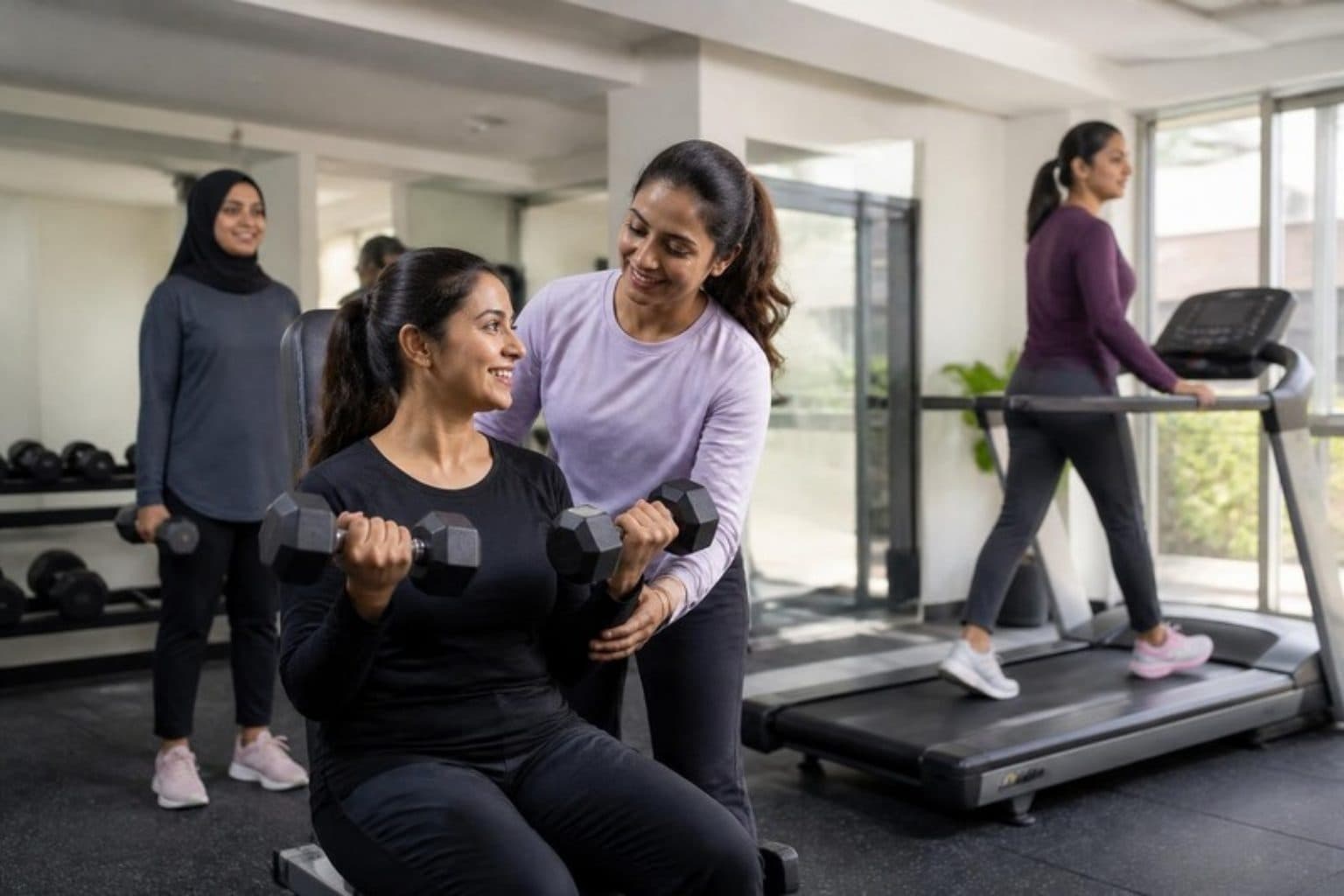
Start with a yoga class at a gym near home for price and timing, a studio for closer teaching, a private teacher for privacy, and online classes once you know the basics.
Start with 8–10 simple poses like Cat-Cow, Child's Pose and Bridge, held for a few slow breaths. Practise 15 minutes, three or four times a week, without pain.
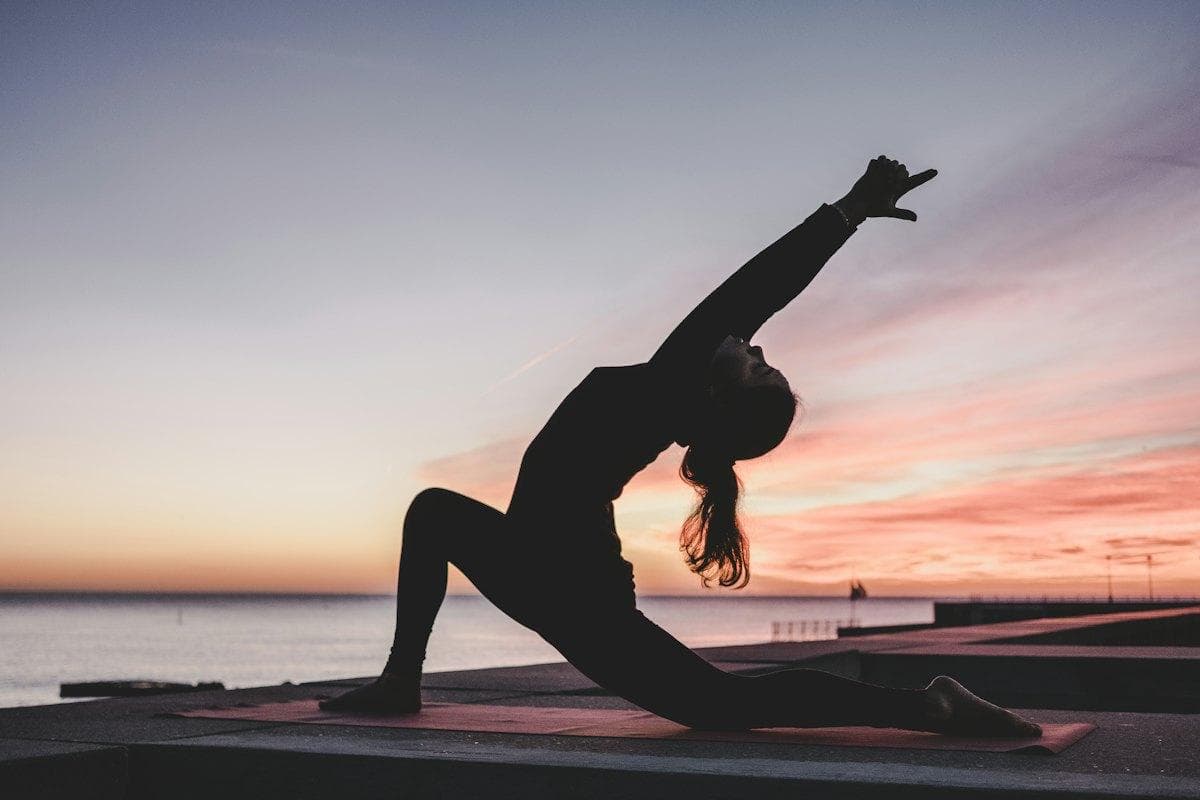
Start yoga with eight to ten simple poses, such as Mountain, Cat-Cow, Child's Pose, Downward Dog and Bridge, held for a few slow breaths each. Practise 15 minutes, three or four times a week, on a non-slip mat. Move only as far as feels comfortable; yoga should never hurt.
This guide gives you the pose names, plain cues, a safety note for each pose and a 15-minute routine you can do at home. It is general information, not medical advice or therapy. If you have a health condition, an injury or you are pregnant, ask a doctor before you start and tell your teacher.
Yes. Yoga builds strength, flexibility and balance, and most styles are gentle enough to start at any fitness level. Research summarised by the US National Center for Complementary and Integrative Health finds yoga helps with stress and gives a small benefit for low-back pain, and that it is generally safe when taught properly (NCCIH: Yoga Effectiveness and Safety).
Yoga can count towards your weekly activity. The WHO recommends at least 150 minutes of moderate activity a week plus muscle-strengthening on two or more days. A gentle yoga session alone may not cover all of that, so pair it with walking or strength training.
Most beginners try to stretch too far. Slow breathing and a comfortable range come first; flexibility follows in a few weeks.
a yoga teacher in Dhanmondi
A teacher speeds things up. As of 8 October 2026, GymCity lists 18 gyms and studios with yoga in Dhaka and 8 yoga teachers and trainers. Classes in Dhaka typically cost ৳1,500–৳4,000 a month. You can compare yoga classes near you and send a request to try one.
You need a non-slip mat, loose clothes, a folded towel or cushion and about two metres of clear floor. Practise on an empty stomach or two to three hours after a heavy meal. Tiled floors in Dhaka flats get slippery with sweat, so a grippy mat matters more than an expensive one.
Most classes use English names, Sanskrit names or both. This table matches them so you can follow along in any class or video.
| English name | Sanskrit name | What it works |
|---|---|---|
| Mountain Pose | Tadasana | Posture and balance |
| Cat-Cow | Marjaryasana-Bitilasana | Spine mobility |
| Child's Pose | Balasana | Rest, gentle back and hip stretch |
| Downward-Facing Dog | Adho Mukha Svanasana | Shoulders, hamstrings, calves |
| Low Lunge | Anjaneyasana | Hip flexors and thighs |
| Warrior II | Virabhadrasana II | Leg strength and stamina |
| Tree Pose | Vrksasana | Balance and focus |
| Cobra | Bhujangasana | Back strength, chest opening |
| Bridge Pose | Setu Bandhasana | Glutes and lower back |
| Lying Twist | Supta Matsyendrasana | Gentle spine rotation |
| Corpse Pose | Savasana | Relaxation and breathing |
Hold each pose for three to five slow breaths through the nose, then come out with control. Use the cues below, and back off the moment you feel sharp pain, pinching or numbness. A stretch can feel strong; it should never feel like an injury.
Stand with feet hip-width apart, weight even across both feet. Lengthen the back of your neck and let your arms hang. Safety: keep your knees soft, not locked.
On hands and knees, breathe in as you drop your belly and lift your chest. Breathe out as you round your back and tuck your chin. Safety: move slowly; put a towel under sore knees.
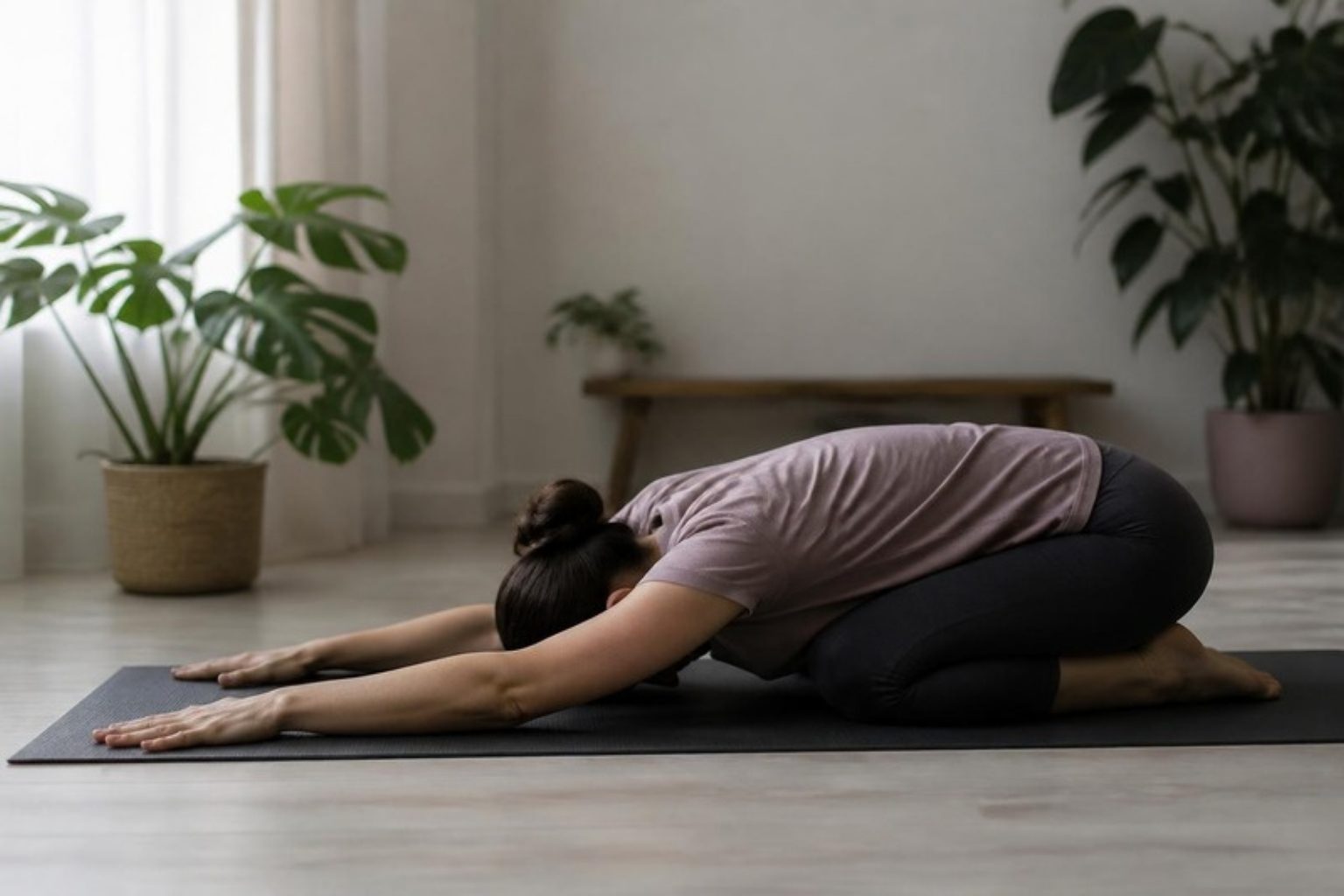
From hands and knees, sit your hips back towards your heels and rest your forehead down, arms forward or by your sides. Safety: widen your knees or put a cushion under your hips if your knees complain.
From hands and knees, tuck your toes and lift your hips up and back into an upside-down V. Bend your knees as much as you need to keep your back long. Safety: skip it or keep it short if you have high blood pressure, glaucoma or wrist pain, and ask your doctor or teacher about a version that suits you.
Step one foot forward between your hands and lower the back knee onto a towel. Keep the front knee over the ankle and sink your hips gently forward. Safety: stop if you feel pain in the front knee.
Stand with feet wide, front toes pointing forward and back foot turned slightly in. Bend the front knee over the ankle and stretch your arms out at shoulder height. Safety: keep the front knee in line with your toes, not falling inwards.
Stand on one leg and place the other foot on your ankle, calf or inner thigh, never on the side of the knee. Hands at your chest. Safety: stand near a wall and touch it if you wobble.
Lie on your front with hands under your shoulders. Press lightly and lift your chest a few centimetres, elbows close to your body, hips down. Safety: keep it low; lifting high can pinch the lower back.
Lie on your back, knees bent, feet flat and hip-width apart. Press through your feet and lift your hips, then lower slowly. Safety: keep your head still; do not turn it while your hips are lifted.
Lie on your back, hug your knees, then let them fall to one side while your shoulders stay down. Switch sides. Safety: twist only as far as your shoulders can stay on the mat.
Finish with Corpse Pose: lie on your back, arms by your sides, and rest for two to three minutes.
Start with slow belly breathing: in through the nose for about four counts, out for about four to six counts, letting your belly rise and fall. It calms the body and is safe for almost everyone. Use this breath in every pose.
Leave fast or forceful breathing practices, and long breath holds, until a teacher can show you. People with high blood pressure, heart or lung conditions, or who are pregnant should ask a doctor before trying them. If you feel dizzy, go back to normal breathing.
Tip: Practise at the same time each day, for example before breakfast, so it becomes a habit rather than a decision.
This routine uses the poses above in a gentle order: warm the spine, build some strength, then wind down. Do it three or four times a week and repeat it for a month before adding new poses.
| Minutes | Pose | How long |
|---|---|---|
| 0–2 | Belly breathing, seated or in Mountain Pose | 2 minutes |
| 2–4 | Cat-Cow | 8–10 slow rounds |
| 4–5 | Child's Pose | 5 breaths |
| 5–6 | Downward-Facing Dog (knees bent) | 3–5 breaths, twice |
| 6–8 | Low Lunge | 5 breaths each side |
| 8–10 | Warrior II | 5 breaths each side |
| 10–11 | Tree Pose | 5 breaths each side |
| 11–12 | Cobra | 3 rounds of 3 breaths |
| 12–13 | Bridge Pose | 5 slow lifts |
| 13–14 | Lying Twist | 5 breaths each side |
| 14–15 | Corpse Pose | 1–3 minutes |
Yoga can support weight loss and ease some back pain, but it is not a cure for either. The NCCIH review notes that yoga programmes linked with weight loss were usually longer sessions, several times a week, for months, and often included changes to food.
For weight loss, treat yoga as one part of the plan alongside walking, strength training and sensible portions. For back pain, gentle poses such as Cat-Cow, Child's Pose and Bridge may help everyday stiffness. Back pain after a fall or injury, pain that spreads down a leg, numbness or weakness needs a doctor first, not a yoga class.
See a doctor before starting if you are pregnant, have high blood pressure, glaucoma, heart disease, osteoporosis, or a recent injury or surgery. Stop and get medical help if a pose causes chest pain, severe dizziness, numbness or sharp joint pain.
A good teacher checks your alignment, offers easier versions and keeps you safe while you learn. Our guide to yoga classes in Dhaka compares studios, gym classes and private teachers. When you are ready, find a yoga teacher near you and send a request from their profile.
Start with a yoga class at a gym near home for price and timing, a studio for closer teaching, a private teacher for privacy, and online classes once you know the basics.
Pick between a women-only gym, ladies hours or a female section, then check trainers, privacy, changing rooms, timings, your route and the full fee before you pay.
Start with three full-body sessions a week: legs, push, pull and core, two or three sets each, adding a little weight or reps every week. At a gym or at home.
Search by area, activity or name, then compare fees, timings and reviews.